Investing in Lancaster: A Complete Guide to One of the North West's Most Promising Property Markets

For the seasoned property investor, the North West of England has long been synonymous with the powerhouse markets of Manchester and Liverpool. However, as these primary hubs reach a level of maturity characterized by high entry costs and compressed yields, the "rational investor" is increasingly looking toward the region’s high-growth secondary cities.
Lancaster stands at the forefront of this shift. Often categorized merely as a historic "heritage city," the modern reality of Lancaster is far more nuanced. Driven by a £100 million regeneration pipeline, a world-class university, and its strategic position as a logistical gateway, Lancaster is transitioning into a robust economic centre.
This guide explores why Lancaster is currently asserting itself as a primary destination for UK property investment, offering a compelling blend of capital resilience and rental demand.
The £100m Transformation: The Canal Quarter & Brewery Lane
The most significant catalyst for Lancaster’s future growth is the redevelopment of the Canal Quarter. This ambitious £100 million masterplan is not merely a "beautification" project; it is a fundamental repositioning of the city’s urban core.
Central to this is the Brewery Lane project, situated on the three-acre former Mitchell’s Brewery site. The proposed mixed-use regeneration is set to include:
A 125-key premium hotel, catering to the city's under-supplied tourist and corporate markets.
New high-specification residential units and dedicated student accommodation.
A medical centre and a contemporary food hall, creating a self-sustaining cultural hub.
While some might view large-scale regeneration through a lens of scepticism, the momentum in Lancaster is palpable. These new developments generally aim to bridge the disparity between the city’s high-income professional demographic and its lack of modern, high-quality housing stock. For investors, this represents an opportunity to enter a market where the "new build premium" is backed by genuine structural undersupply.
Anchors of Stability: The University and the NHS
In times of economic readjustment, the resilience of a property market is often dictated by its "anchor institutions." Lancaster possesses two of the most stable demand drivers in the UK: Lancaster University and the Royal Lancaster Infirmary (NHS).
The Higher Education Factor
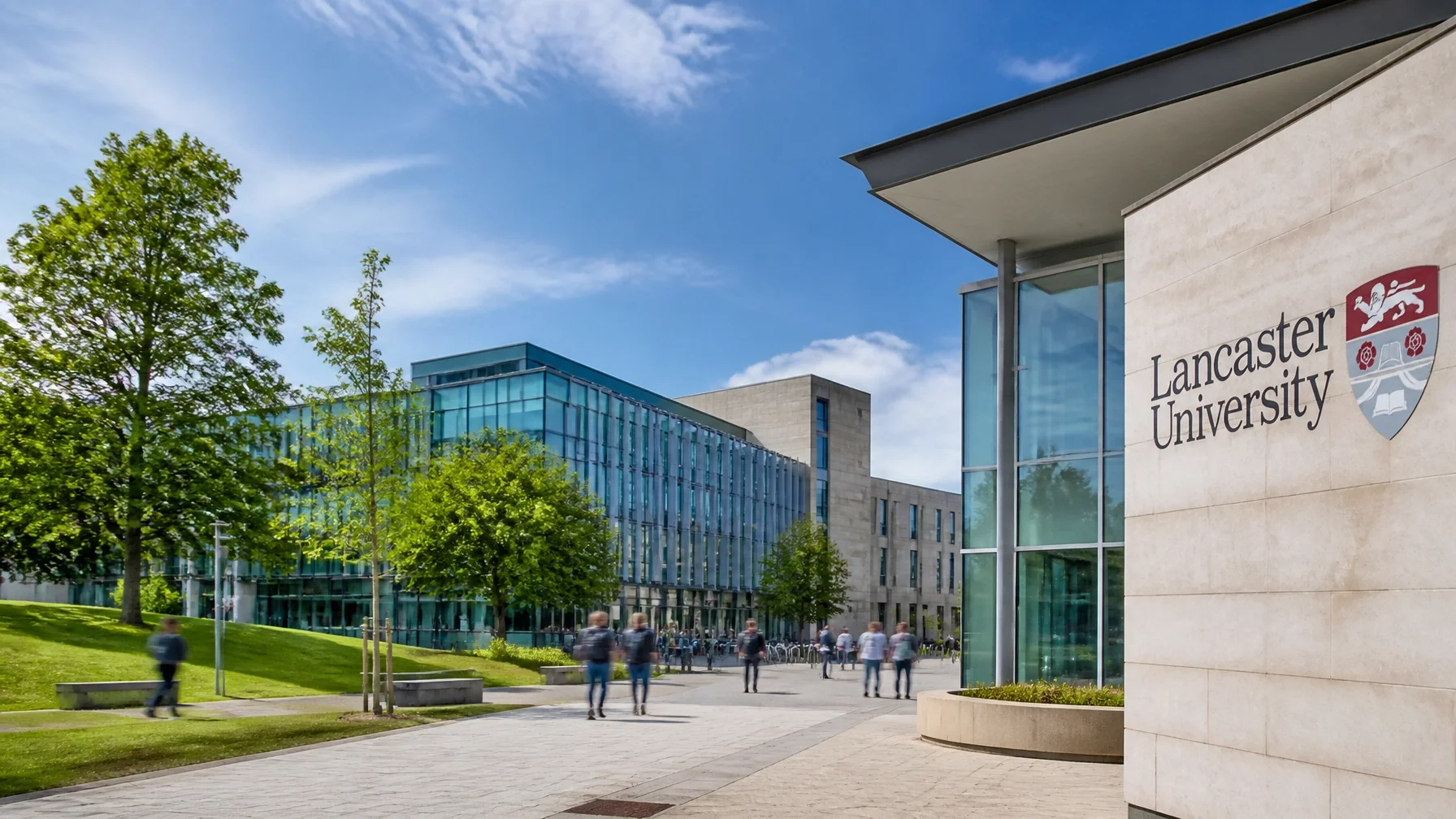
Lancaster University is consistently ranked in the top 10 of major UK league tables and hosts over 16,000 students. This creates a perpetual demand for both buy to let uk student housing and professional rentals for the thousands of academic staff employed by the institution.
The Healthcare Engine
The presence of the Royal Lancaster Infirmary provides a steady stream of high-quality tenants. From rotational doctors to permanent medical staff, the demand for professional, managed accommodation near the city centre remains robust, regardless of broader economic volatility.
The Corporate Catalyst: Heysham Port and the M6 Corridor
Beyond students and residents, Lancaster is experiencing a significant rise in corporate let demand. This is largely precipitated by its proximity to the M6 corridor and the continued expansion of Heysham Port.
Heysham Port is a critical hub for the UK’s energy and infrastructure sectors. Large-scale projects, including those related to the energy sector and regional infrastructure, frequently bring contractors and specialized professionals to the area for mid-term stays.
This has fuelled a surge in the short term rentals market, specifically for serviced accommodation. US investors looking at the UK market often find this model: frequently associated with Airbnb investment: particularly attractive due to the higher nightly rates compared to traditional long-term lets. When managed by a professional property management firm, these assets can deliver significantly enhanced returns by catering to this high-value contractor demographic.
By the Numbers: Lancaster’s Investment Case
When analysing property investment through a data-driven lens, Lancaster’s fundamentals are particularly strong compared to its regional neighbours.
Median House Price: Approximately £192,500. This provides a accessible entry point for both new and experienced investors, especially when compared to the escalating prices in the Manchester city centre.
Rental Yields: Lancaster typically offers steady yields ranging from 4.1% to 5.5%. However, specialized models like serviced accommodation often reassert the city’s potential for even higher ROI.
Historical Growth: Since 1995, property prices in Lancaster have seen a total growth of approximately 334%. While past performance is not a guarantee of future results, it demonstrates a long-term upward trajectory that has successfully weathered multiple economic cycles.
Investors should also note the "Morecambe Effect." The proximity to Morecambe and the planned Eden Project North has created an investment corridor that is already beginning to see capital appreciation as the region’s profile rises on the national stage.
Professional Management: Protecting Your Assets
For many, especially international or US property investors, the primary barrier to entry is the perceived complexity of management. However, the modern investment landscape has evolved.
By utilizing professional management services, investors can transition from "landlord" to "portfolio owner," delegating everything from guest vetting and maintenance to compliance with the 2026 regulatory environment. This is particularly crucial in the serviced accommodation sector, where hospitality-level service is required to maintain high occupancy and understanding yield and ROI is vital for long-term success.
Conclusion: A Rational Choice for 2026 and Beyond
While sensationalist headlines may focus on temporary interest rate reversals, the experienced professional knows that successful property investment is a marathon, not a sprint.
Lancaster offers a unique proposition: the stability of a historic city, the demand of a top-tier university, and the aggressive growth potential of a £100m regeneration zone. Whether you are focused on traditional buy-to-let or the higher-yield potential of corporate-led serviced accommodation, Lancaster’s fundamentals remain robust.
As the North West continue to dominate the UK's growth forecasts, Lancaster stands as a fundamentally strong, high-yield alternative to the overcrowded primary markets. It is, quite simply, a city where the data and the development pipeline align.
Ready to Explore Investment Opportunities?
At Residential Estates, we specialise in sourcing, setting up, and managing high-performing BTL, and SA units across the UK. Whether you're a first-time landlord or an experienced investor scaling a regional portfolio, we can help you find the right location and model to match your goals.
Book a consultation today and tap into the most promising property markets of 2026.