Maximizing Your Rental Yield in Today's UK Property Market

In the current economic landscape, one could be forgiven for feeling overwhelmed by the persistent "doom-mongering" headlines often found in sensationalist media. To the casual observer, fluctuating interest rates and shifting tax regimes might appear as insurmountable hurdles. However, for the experienced professional and the level-headed investor, these periods of adjustment are not crises but rather a "rebalancing" of the market: a moment to apply a more nuanced, analytical lens to one's portfolio.
While the broader public may focus on short-term volatility, the rational investor understands that property remains a fundamentally resilient asset class. To maximize rental yield in 2026, one must look beyond the surface level and embrace a strategy rooted in data, diversification, and meticulous financial stress testing.
The Yield Equation: Distinguishing Gross from Net
To achieve a truly "good rental yield in the UK," one must first master the disparity between gross and net figures. It is a common pitfall to be seduced by a high gross yield without accounting for the underlying operational costs.
Gross Yield is a simple, clinical calculation: your annual rental income divided by the property’s purchase price. While a gross yield of 6-7% is currently considered robust for a standard buy-to-let in many UK regions, it does not tell the full story.
Net Yield, conversely, provides the genuine measure of profitability. This figure accounts for management fees, maintenance, insurance, service charges, and void periods. In a higher interest rate environment, the "concession-and-pivot" strategy is essential: acknowledge that borrowing costs have risen, but recognize that rental demand has outpaced price growth, effectively maintaining: and in some cases enhancing: net margins for those who buy well.
Diversification: Pushing Beyond the 5% Ceiling
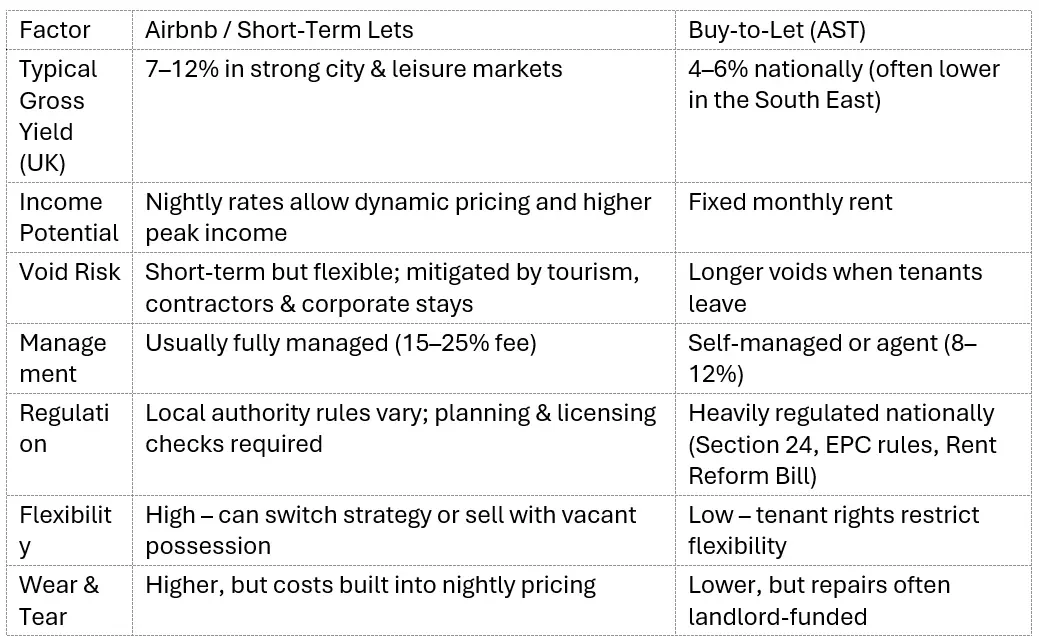
A standard Assured Shorthold Tenancy (AST) in the South East might offer stability, but for those looking to push yields from the typical 5% towards 10% and beyond, diversification is paramount. Today’s market requires a multi-faceted approach, integrating various asset classes to optimize returns.
1. Houses in Multiple Occupation (HMOs)
The HMO model remains a high-yield engine. By letting rooms individually, investors can often double the gross income of a single residential unit. While the regulatory landscape for HMOs is undeniably more complex, the "yield premium" remains significant. Modern, professional-standard HMOs are meeting a desperate need for high-quality, affordable housing for young professionals, ensuring high occupancy rates.
2. Purpose-Built Student Accommodation (PBSA)
As university populations continue to grow: Birmingham, for instance, maintains a remarkably young demographic: the demand for bespoke student living is unprecedented. PBSA offers a hands-off investment with yields that frequently outperform traditional residential lets. It is a sector defined by its growing confidence among investors, particularly when located in top-tier university cities.
3. Serviced Accommodation and Short-Term Lets
Through our Guestz brand, we have seen how short-term lets can precipitate significantly higher returns than long-term rentals. While more operationally intensive, the flexibility and higher nightly rates can drive yields into double digits. Even with the recent serviced accommodation forecast showing increased regulation, the market for quality short-stay options remains fundamentally strong due to the "staycation" trend and business travel resilience.
Geographic Hubs: The North-South Yield Divide
A sophisticated investor looks where the value is reasserting itself. While London remains a bastion for capital preservation, the search for yield inevitably leads North.
Cities in the North West and the Midlands are currently delivering some of the most compelling figures in the UK. Markets such as Rotherham and Retford offer entry prices that make a 7-9% gross yield not just possible, but standard. This regional disparity is a gift to the mobile investor who is not tethered to their own postcode.
Stress Testing for Long-Term Resilience
The transition to a higher-base-rate environment has been unpalatable for some, yet it has forced a return to more disciplined investment principles. "Stress testing" is no longer a banking formality; it is a vital tool for the private investor.
When calculating your potential yield, it is prudent to model scenarios where interest rates remain elevated or maintenance costs spike. By ensuring your portfolio can withstand these "temporary reversals," you build a foundation that is "future-proof." We recommend that investors focus on their cash vs mortgage strategy, ensuring that even in a worst-case scenario, the property remains self-sustaining.
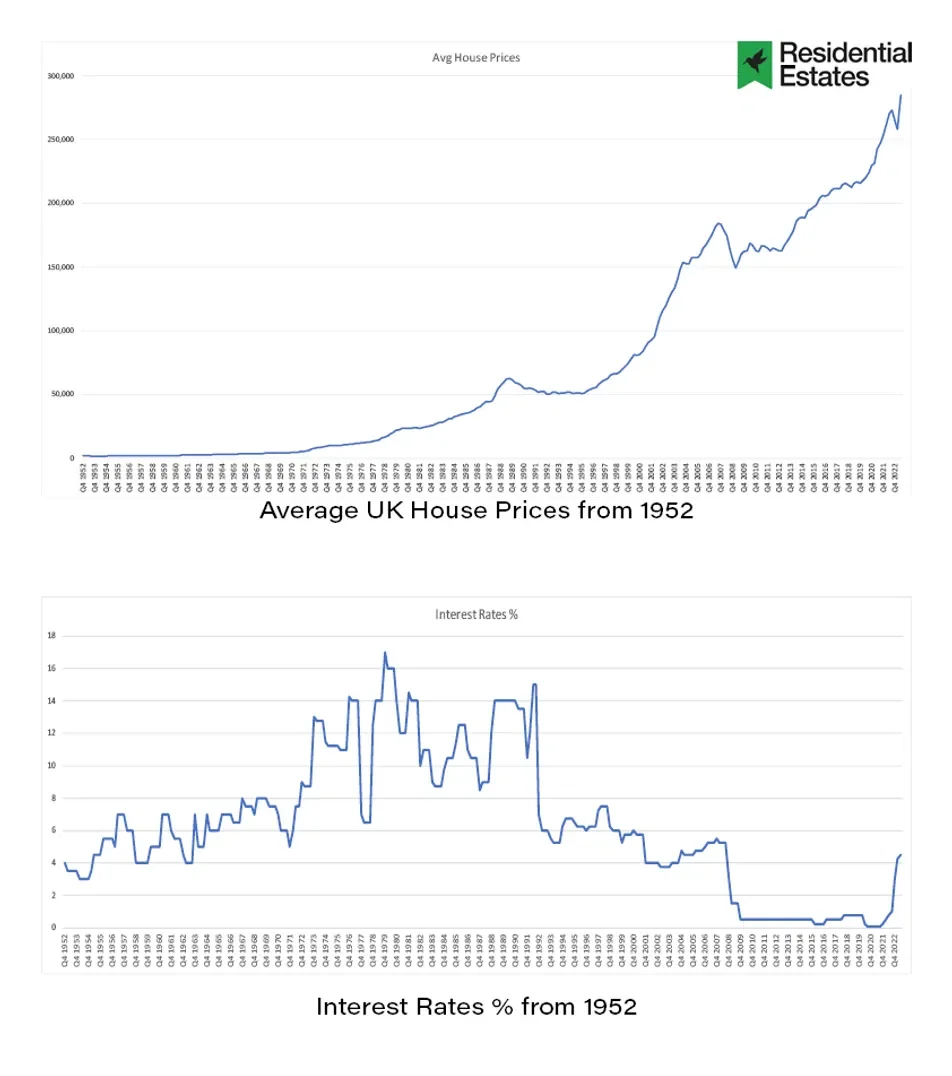
Historically, as shown in the graph above, the UK property market has demonstrated an incredible ability to swallow short-term volatility. When viewed through a thirty-year lens, today’s rates are far from the historic peaks of the late 20th century, making the current climate entirely manageable for those with a steady hand.
The Professional Advantage: Management as a Yield Enhancer
Many investors view property management as a cost to be minimized. This is a fundamental misunderstanding of the "property cycle solution." Professional management: covering everything from tenant vetting to proactive maintenance: actually increases your net yield over the long term.
How? By reducing void periods and ensuring high tenant retention. A well-managed property attracts "quality" tenants who are willing to pay a premium for service. At Residential Estates, our comprehensive property management services are designed to p
rotect your assets and enhance your returns, handling the complexities of legislation changes so you don't have to.

Conclusion: A Rational Path Forward
Maximizing yield in the 2026 UK property market is not about chasing the latest trend or reacting to the morning's headlines. It is about the clinical application of proven strategies: diversifying your asset types, looking toward high-growth regional hubs, and maintaining a rigorous focus on net rather than gross figures.
The UK property market remains one of the most stable investment environments globally. While "popular narratives" may focus on the challenges, the underlying strengths: a persistent housing shortage, robust rental demand, and long-term capital appreciation: remain firmly in place. By adopting a measured, professional approach, the "steady" and "sustainable" growth of your portfolio is not just an aspiration, but a logical outcome.
Ready to Learn More?
Why not talk to one of our experienced Property Investment Consultants?
Whether you're looking to expand your portfolio or make your first investment, we make the process effortless. With expert guidance, a hands-off management approach, and access to high-demand rental markets, Residential Estates provides everything you need to succeed in property investment.
Get in touch today to explore our latest opportunities and start building a profitable, stress-free property portfolio.