
Best Holiday Let Areas in 2026: A Practical Guide for Property Investors
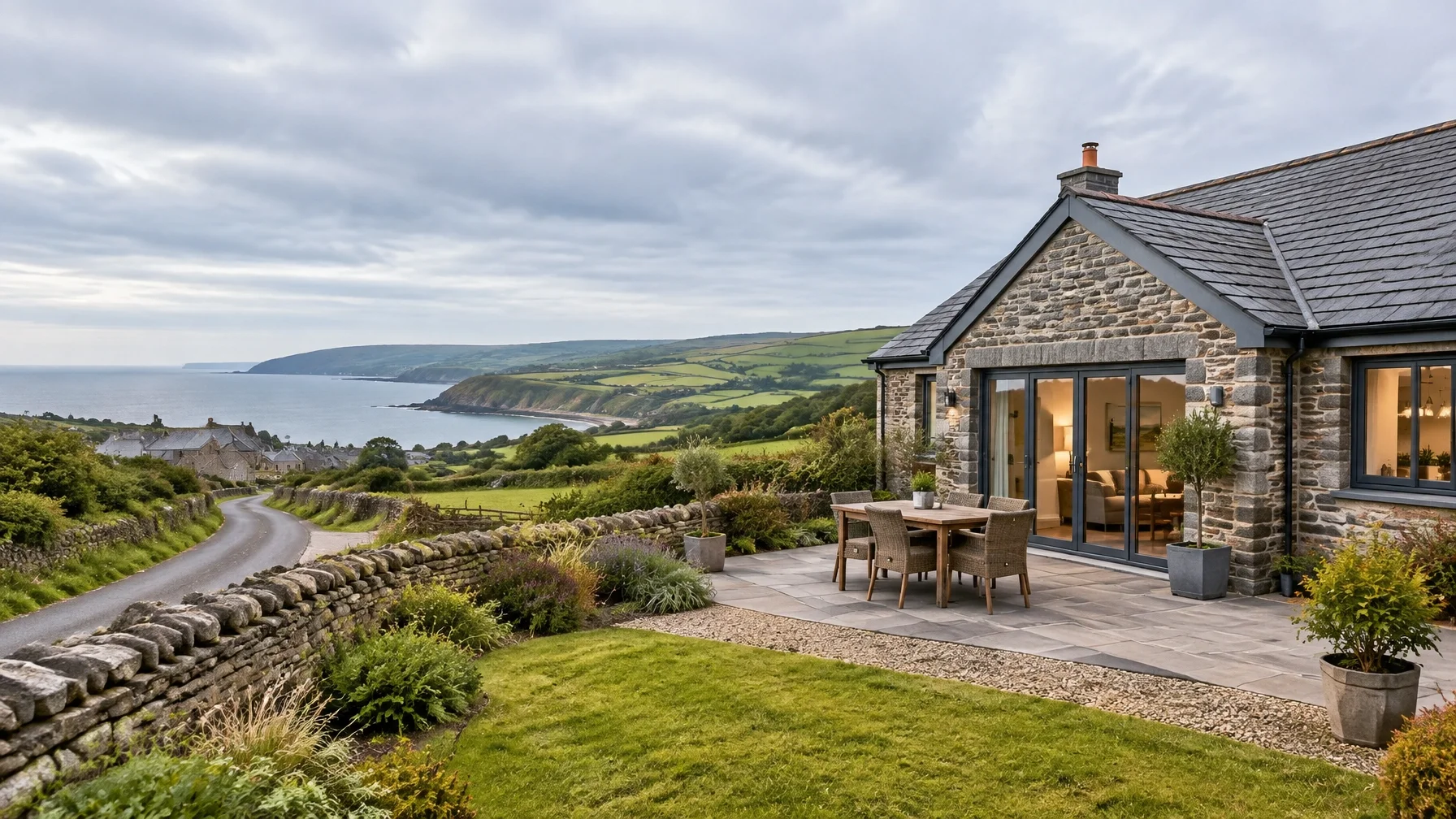
Choosing the best holiday-let area in 2026 is not simply a matter of identifying the destination with the highest headline revenue. A location may attract strong summer bookings yet produce uneven annual cash flow. Another may have lower peak rates but more dependable demand across spring, autumn and winter.
For the experienced investor, the more useful question is not which area is the universal winner? It is:
> Which location, property and operating model best fit the investment strategy?
That requires a closer look at year-round demand, accessibility, tourism drivers, seasonality, operating costs, regulation and the eventual exit strategy. It also means recognising that the 2026 opportunity set is broader than the conventional holiday cottage or seaside apartment. Alongside established leisure destinations, some investors are also considering aparthotel locations that combine short-stay flexibility with more urban, business-linked demand.
The following areas illustrate how those factors differ across established countryside, island and coastal markets, while the later sections also consider where aparthotel investment can sit under the same wider short-stay banner.

What makes a holiday-let location investable in 2026?
Before comparing specific destinations, it is worth establishing a practical framework.
1. Year-round demand
Peak-season demand is valuable, but it is only one part of the picture. A property that performs during school holidays may still require careful financial modelling if occupancy falls sharply between October and March.
Look for several overlapping visitor groups, such as:
Families taking longer annual breaks
Couples booking short stays
Walkers, cyclists and outdoor enthusiasts
Business travellers and contractors
Guests attending weddings, festivals or sporting events
Dog owners seeking flexible accommodation
International visitors touring a wider region
The strongest locations are not necessarily those with the busiest August. They are often the areas where different demand sources reassert themselves throughout the year.
2. Accessibility and local amenities
A beautiful setting is not enough on its own. Guests still need to reach the property conveniently and find shops, restaurants, activities and essential services nearby.
Assess:
Road connections from major population centres
Rail access and the distance from the nearest station
Parking availability
Proximity to beaches, lakes, walking routes or attractions
Supermarkets, restaurants and medical facilities
The suitability of the property for families, couples or longer stays
In many rural and coastal markets, visitors remain heavily dependent on cars. That can support demand for properties with dedicated parking, while making remote locations more difficult to operate.
3. Seasonality and operating costs
Seasonality should be modelled rather than dismissed. Even a well-established destination can experience quieter periods, and coastal properties may be more sensitive to weather and school-holiday patterns.
Operating costs may include:
Cleaning and laundry
Utilities and broadband
Repairs and replacement furnishings
Grounds and communal-area maintenance
Platform commissions
Insurance designed for short-term accommodation
Management fees
Local rates or council tax
Service charges and lease obligations
A higher nightly rate does not automatically translate into a stronger net return. The relevant figure is the income remaining after realistic costs and periods of vacancy.
Cumbria and the Lake District: established demand with a broad visitor base
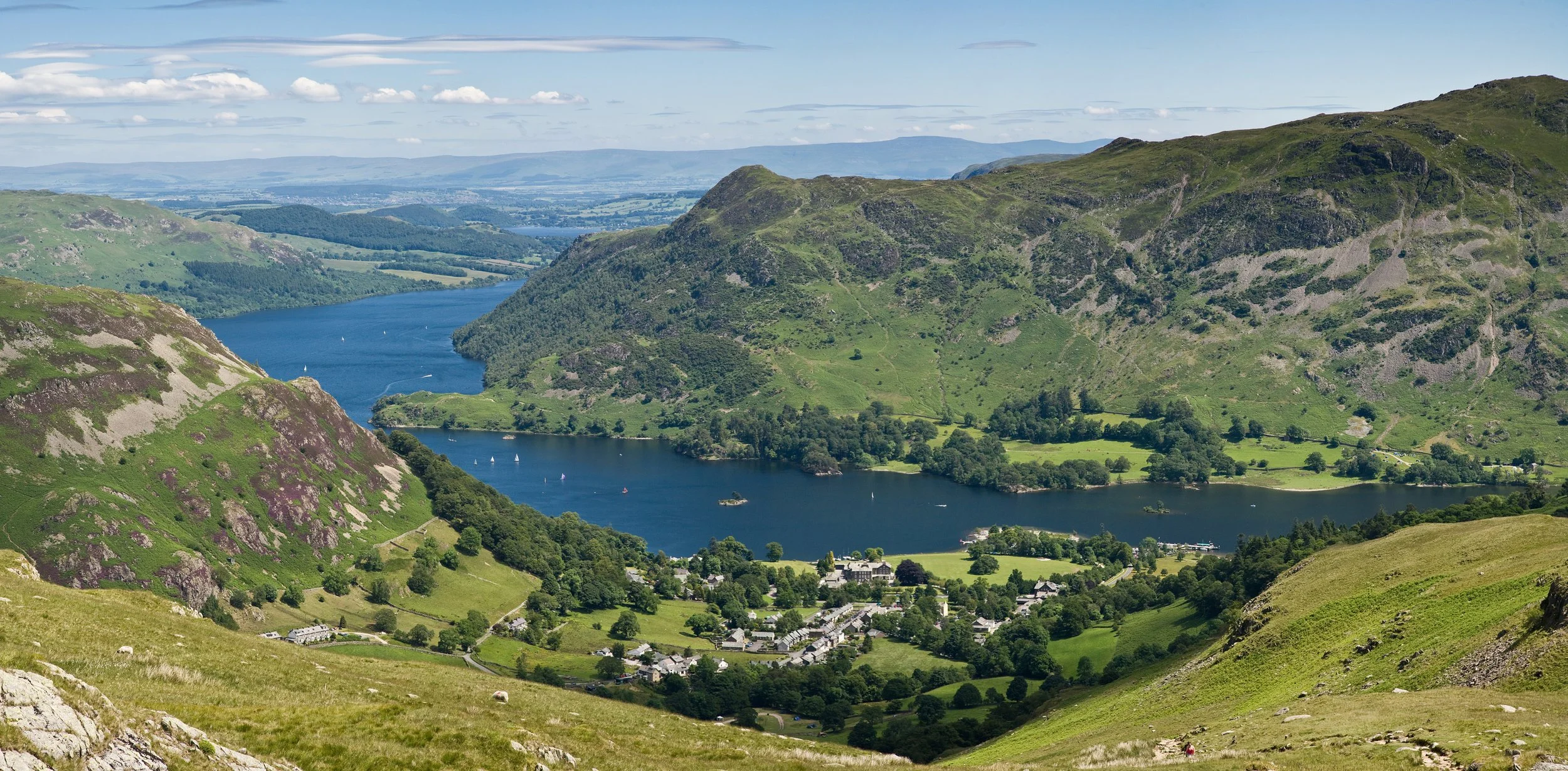
Cumbria and the Lake District remain among the UK’s most established holiday markets. Their appeal is supported by scenery, walking, cycling, watersports, cultural attractions and traditional market towns. This creates a broader demand profile than a destination dependent solely on warm-weather beach visits.
The Lake District National Park reported 17.73 million tourist visitors in 2024, generating approximately 26.85 million tourist days and £2.373 billion in tourism revenue, according to figures attributed to Cumbria Tourism. Across Cumbria, tourism contributed approximately £4.6 billion to the local economy in 2024 and supported almost 75,000 jobs.
These are visitor-economy figures rather than property forecasts, but they demonstrate the depth of the area’s established tourism infrastructure.
The region also benefits from several gateways, including Oxenholme, Penrith and Carlisle, alongside road access via the M6, A66, A591 and A590. Certain destinations remain primarily car-based, but improving rail usage provides an additional accessibility indicator.
The investment considerations
Lake District properties can benefit from demand for:
Walking and outdoor breaks
Family holidays
Scenic short stays
Autumn and winter retreats
Longer visits centred on regional touring
However, planning and development constraints are material considerations, particularly within the National Park. Investors should confirm the permitted use of a property, any lease restrictions and whether short-term accommodation is allowed before proceeding.
Residential Estates currently lists Eden Grove as a collection of apartments, bungalows and cottages where short-term lets are permitted under the lease. The listing includes an advertised price from £210,000, with one available apartment showing an advertised net yield of 8.5%. These are listing figures, not guarantees, and should be reviewed alongside the full operating assumptions, costs and management arrangements.
Rhosneigr and Anglesey: coastal appeal with a distinctive activity base
Rhosneigr offers a different type of holiday market. Its appeal is shaped by sandy beaches, watersports, walking, golf and access to the wider Anglesey Coastal Path. The village also benefits from its position within reach of Holyhead, Llangefni, Bangor and the North Wales road network.
Anglesey is connected to mainland North Wales by the A55, making it accessible to visitors from the North West and beyond. That connection is important because coastal demand is often strengthened by the convenience of a drive-to break.
Rhosneigr’s visitor profile can include:
Families seeking beach holidays
Surfers, kite surfers and watersports enthusiasts
Couples taking short coastal breaks
Dog owners
Walkers and nature-focused visitors
Owners using the property themselves for part of the year
The market is nevertheless seasonal. Summer beach demand is likely to be stronger than winter demand, although watersports, walking and short-break tourism can support the shoulder seasons.
The investment considerations
Anglesey is in Wales, so investors must understand the distinction between property operation, planning and taxation. Welsh self-catering accommodation generally needs to meet specific availability and letting thresholds to qualify for non-domestic rates. Current guidance commonly refers to availability for at least 252 days and actual letting for at least 182 days in a 12-month period. The position should be confirmed with the local authority and a suitably qualified adviser.
The Welsh Government is also developing its own visitor-accommodation registration framework. Rules and implementation details should be checked before operating or acquiring a property.
Residential Estates’ The Swell is a two-bedroom apartment in Rhosneigr, described as being close to the beach, furnished and suitable for short-term letting. The listing page has included advertised revenue figures based on previous performance, but historic or projected income should not be treated as a guarantee. Current price, availability, occupancy and management details should be confirmed directly.
Bude and North Cornwall: strong branding, coastal demand and greater competition
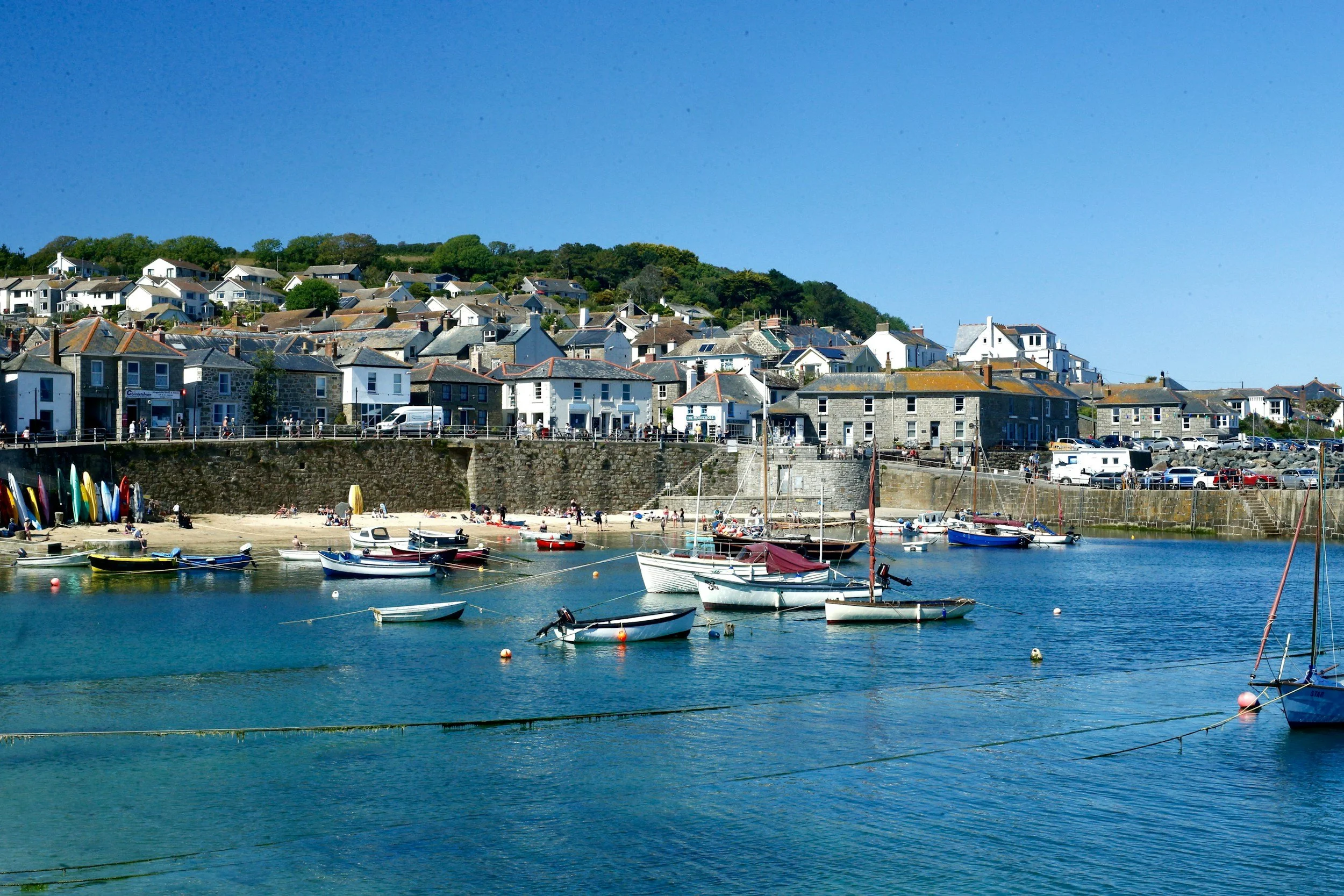
Cornwall has one of the UK’s strongest tourism brands. Bude and the surrounding North Cornwall coastline attract visitors for beaches, surfing, walking, family holidays and the wider appeal of a traditional coastal escape.
Bude’s position near the Devon border can be advantageous for road access compared with destinations further west. However, the market remains predominantly car-based, and journey times should be considered when assessing cleaning, maintenance and management arrangements.
Cornwall’s strengths include:
Well-established national and international recognition
Strong family and beach-holiday demand
A substantial hospitality and visitor-services ecosystem
Shoulder-season demand from surfers, walkers and dog owners
Potential for lifestyle use alongside income generation
The corresponding concessions are competition, capital intensity and seasonality. Peak summer rates may be attractive, but costs can also rise, and occupancy can be less consistent outside the main holiday period. Investors should also review local planning policies, including any restrictions affecting short-term accommodation or changes of use.
Crackington Cottage, near Bude, is described as a two-bedroom holiday home within an established holiday complex, approximately half a mile from Widemouth Bay. The listing records an advertised price of £220,000 or nearest offer and refers to existing management through Cottages.com. These details can change, and any income figures should be assessed against current accounts, charges, booking data and the management agreement.
Aparthotel areas: a different short-stay investment profile
Not every short-stay investment is driven primarily by peak holiday demand. Aparthotel locations often sit closer to town centres, transport links, business districts, universities and regeneration zones. The guest profile can therefore be more varied than in a purely leisure-led destination.
That distinction matters. A conventional holiday-let market may rely heavily on summer family bookings, school holidays and destination-led tourism. An aparthotel area may still benefit from tourism and city breaks; however, demand is often also supported by:
Business travel
Contractors working on regional projects
University activity and visiting academics or families
Events and conferences
Flexible medium-stay accommodation needs
Guests who want more space and self-catering convenience than a standard hotel room
For some long-term investors, that can create a different form of resilience. Nightly rates and occupancy can still fluctuate, and short-stay income is never guaranteed. Nevertheless, the demand profile may be less dependent on one narrow holiday season.
Our current buy-to-let page includes several aparthotel opportunities that sit within this broader short-stay category.
Lancaster: university, business and regional visitor demand
Lancaster Town House is currently advertised as an aparthotel opportunity in Lancaster, a market that differs from purely coastal or rural holiday destinations. Lancaster benefits from its university presence, established city-centre economy, rail connectivity on the West Coast Main Line and proximity to both the Lake District corridor and the Lancashire coast.
That means demand can be shaped by more than leisure visitors alone. In addition to city-break and regional tourism demand, investors may see aparthotel-style accommodation supported by:
University-related visits
Corporate travel
Contractors and relocation stays
Flexible accommodation for guests combining business with leisure
The current listing advertises prices from £50,000 and 15%+ net yields. Any projected yield is not guaranteed, and investors should confirm current availability, acquisition costs, operating assumptions, lease terms, planning position and management arrangements before proceeding.
Morecambe: regeneration-led coastal aparthotel demand
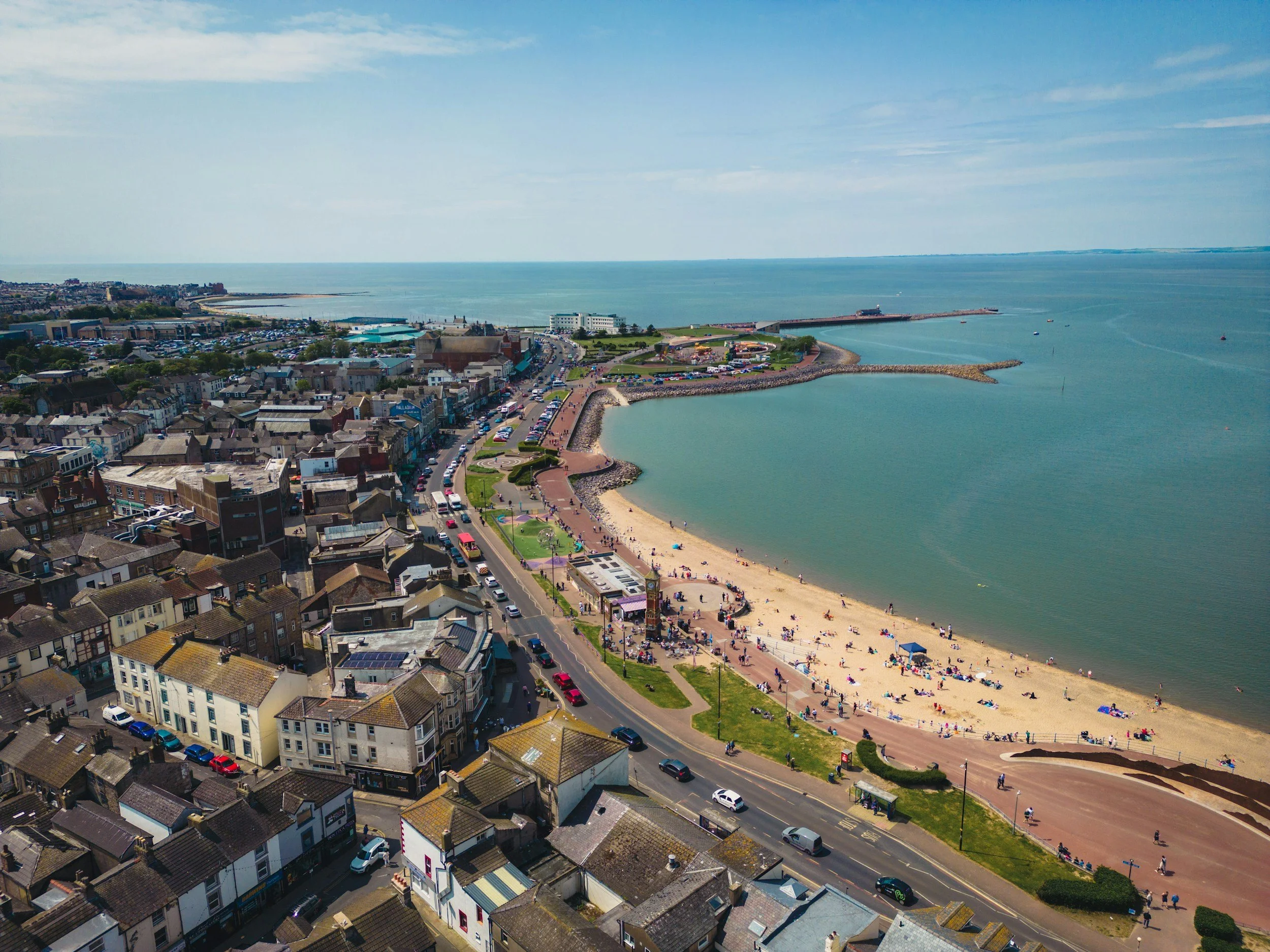
The Bay in Morecambe sits within a coastal market, but the aparthotel model gives it a somewhat different investment case from a conventional self-catering holiday cottage. Morecambe continues to attract leisure demand linked to the seafront, bay views and wider staycation travel, yet its regeneration narrative also broadens the conversation.
In practice, areas such as Morecambe can draw from a mix of:
Traditional seaside breaks
Short flexible stays
Contractor demand linked to local and regional works
Visitors using the town as a base for Lancashire and Cumbria
Demand associated with wider regeneration and business activity
The current listing advertises prices from £55,000 and a projected 16% net yield. As with any such figure, that projection is not guaranteed and should be reviewed alongside the latest costs, service-charge structure, lease arrangements, planning position, operational model and current availability.
Blackpool: tourism scale with year-round flexible-stay potential
The Wellington in Blackpool adds another useful example of how aparthotel areas can differ from traditional holiday-let destinations. Blackpool is clearly a major visitor economy, but it is also a large urban leisure market with year-round footfall, events, conference activity and a broader accommodation ecosystem than many smaller coastal resorts.
For investors, that can mean a demand profile supported by:
Short leisure breaks
Event-led stays
Business and contractor travel
Guests seeking a more flexible alternative to standard hotel accommodation
The current listing refers to pricing from £54,000 and projected net yields up to 16%. These are advertised figures only and not guaranteed. Investors should confirm the latest availability, full cost base, VAT position where relevant, lease structure, permitted use and management arrangements.
A wider example: Warrington’s aparthotel model
If helpful as a point of comparison, The Wire in Warrington illustrates the type of town-centre aparthotel model that is often driven more by corporate, contractor and flexible-stay demand than by destination tourism alone. However, it should be treated here as a wider market example rather than a current available opportunity, as all units have been sold.
A practical comparison
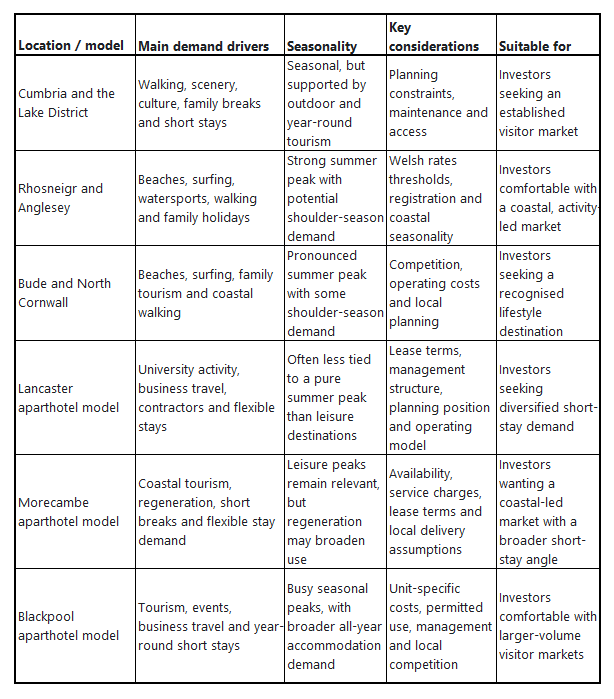
Holiday-let checklist for investors
Before committing to a property, ask:
What are the established demand drivers?
Separate current visitor demand from future regeneration or tourism projections.How does the property perform outside peak season?
Request monthly occupancy and revenue data where available.What is included in the advertised return?
Clarify whether figures are gross or net and which costs have been deducted.Is short-term letting permitted?
Review the lease, title, planning position, holiday-park rules and any local restrictions.What are the total operating costs?
Include management, cleaning, utilities, repairs, insurance, service charges and platform fees.How will the property be managed?
A professional operator can be particularly valuable where the investor lives outside the region.What is the exit strategy?
Consider whether the property could appeal to another holiday-let investor, an owner-occupier or a long-term landlord.What regulatory changes apply?
England’s national short-term-let registration scheme is expected to begin in 2026, while Wales has separate requirements. Registration is distinct from planning permission, and neither should be assumed without verification.
The right location depends on the full investment case
The Lake District, Anglesey and North Cornwall each offer credible holiday-let characteristics, but they serve different strategies.
Cumbria offers a deep and established visitor economy. Rhosneigr provides a focused coastal and watersports proposition. Bude and North Cornwall benefit from powerful destination recognition, balanced against competition and a more pronounced seasonal profile.
Residential Estates currently has holiday-let opportunities across these types of markets, including Eden Grove, The Swell and Crackington Cottage. Investors can review the current listings and request further information before deciding whether any property fits their objectives.
Property investment and holiday-let or aparthotel income involve risk. Advertised prices, yields, occupancy rates and income projections are not guaranteed and may change. Investors should review and confirm current availability, purchase costs, assumptions, planning requirements, lease terms, permitted use, service charges and management arrangements before proceeding, and obtain independent legal, tax and financial advice. Residential Estates is not FCA approved and cannot provide tax advice.